
Integrated Systems for Buildings: Enhancing Seamless Operations
- Phan Chitra
- Apr 27
- 4 min read

Managing a commercial building today requires more than just maintaining the physical structure. It demands a sophisticated approach to ensure efficiency, security, and sustainability. One of the most effective ways to achieve this is through integrated systems for buildings. These systems combine various building technologies into a unified platform, allowing for streamlined operations and improved performance.
Integrated systems for buildings bring together HVAC, lighting, security, fire safety, and energy management into a single, manageable interface. This integration not only simplifies control but also enhances the building’s responsiveness to occupant needs and environmental conditions. In this post, I will explore how these systems work, their benefits, and practical steps to implement them effectively.
Understanding Integrated Systems for Buildings
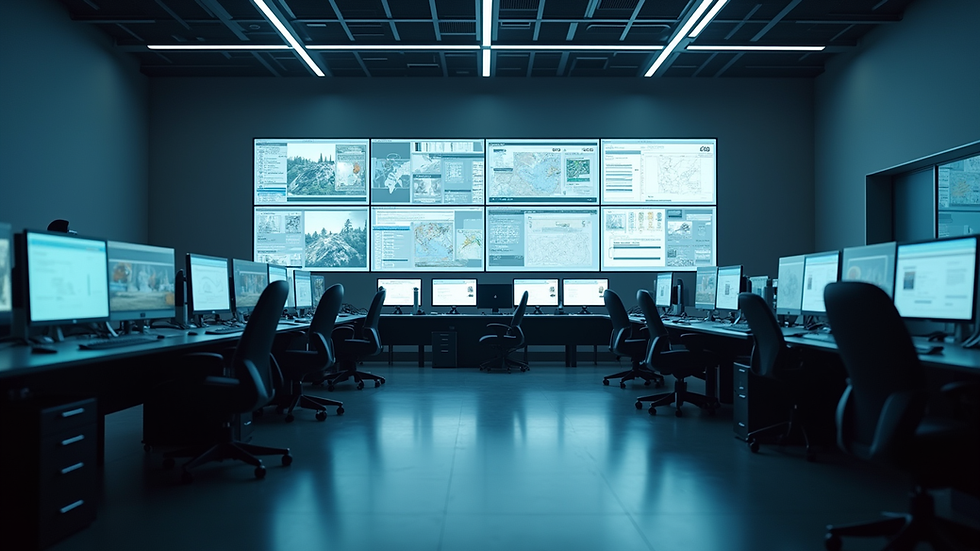
Integrated systems for buildings are designed to connect multiple building technologies so they operate cohesively. Instead of managing each system separately, you can monitor and control everything from one platform. This approach reduces complexity and improves decision-making.
For example, when the HVAC system detects a rise in temperature, it can communicate with the lighting system to adjust brightness accordingly, optimizing energy use. Similarly, security systems can integrate with access control and surveillance to provide real-time alerts and automated responses.
The key components typically involved include:
Building Automation Systems (BAS): Centralized control of HVAC, lighting, and other mechanical systems.
Security Systems: Access control, CCTV, and alarm systems.
Energy Management: Monitoring and optimizing energy consumption.
Fire and Life Safety: Smoke detectors, sprinklers, and emergency communication.
Communication Networks: The backbone that connects all systems.
By integrating these components, you create a smart building environment that adapts to changing conditions and occupant needs.
What is the IBS system in construction?
The term IBS, or Industrialized Building System, refers to a construction method that uses prefabricated components manufactured in a factory setting. These components are then transported to the construction site for assembly. IBS aims to improve construction efficiency, reduce waste, and enhance quality control.
In the context of integrated systems for buildings, IBS can facilitate the installation of smart technologies by embedding conduits, sensors, and wiring during the prefabrication process. This integration streamlines the setup of building automation and other systems, reducing installation time and costs.
IBS also supports sustainability goals by minimizing material waste and enabling better energy performance through precise construction techniques. For commercial buildings, adopting IBS can lead to faster project completion and more reliable system integration.
Benefits of Integrated Building Systems
Implementing integrated building systems offers several advantages that directly impact operational efficiency and occupant satisfaction.
1. Enhanced Energy Efficiency
By linking HVAC, lighting, and energy management systems, you can optimize energy consumption based on real-time data. For instance, lighting can be dimmed in unoccupied areas, and HVAC settings can adjust according to occupancy and weather conditions. This reduces utility costs and supports sustainability initiatives.
2. Improved Security and Safety
Integration allows security systems to work seamlessly with fire alarms and emergency protocols. Automated lockdowns, real-time alerts, and coordinated evacuation procedures become possible, enhancing occupant safety.
3. Simplified Maintenance and Management
A unified platform provides a comprehensive overview of building operations. You can detect faults early, schedule preventive maintenance, and reduce downtime. This proactive approach extends the lifespan of equipment and lowers repair costs.
4. Increased Occupant Comfort
Smart systems adjust environmental conditions such as temperature, lighting, and air quality to meet occupant preferences. This leads to higher productivity and satisfaction.
5. Scalability and Flexibility
Integrated systems are designed to grow with your building’s needs. You can add new technologies or expand existing ones without disrupting operations.

How to Implement Integrated Systems for Buildings
Implementing integrated systems requires careful planning and collaboration among stakeholders. Here are practical steps to guide the process:
Step 1: Assess Your Building’s Needs
Start by evaluating your current systems and identifying areas for improvement. Consider energy usage, security vulnerabilities, maintenance challenges, and occupant comfort issues.
Step 2: Define Objectives and Budget
Set clear goals for what you want to achieve with integration. Establish a budget that balances upfront investment with long-term savings.
Step 3: Choose Compatible Technologies
Select systems and devices that support open protocols and interoperability. This ensures seamless communication between components from different manufacturers.
Step 4: Develop a Detailed Integration Plan
Work with engineers and system integrators to design the architecture. Plan for data flow, control logic, and user interfaces.
Step 5: Implement in Phases
Roll out the integration in manageable phases to minimize disruption. Test each phase thoroughly before moving to the next.
Step 6: Train Staff and Users
Provide training to building managers and occupants on how to use the new systems effectively.
Step 7: Monitor and Optimize
Use analytics and reporting tools to track performance and make adjustments as needed.
Future Trends in Building Integration
The future of integrated systems for buildings is shaped by advances in technology and growing demands for sustainability and security.
IoT and AI: Internet of Things devices and artificial intelligence will enable more predictive and adaptive building management.
Cloud-Based Platforms: Cloud integration will allow remote monitoring and control, improving accessibility.
Enhanced Cybersecurity: As buildings become more connected, protecting data and systems from cyber threats will be critical.
Renewable Energy Integration: Systems will increasingly incorporate solar, wind, and other renewable sources to reduce carbon footprints.
Occupant-Centric Design: Personalized environments based on occupant behavior and preferences will become standard.
Staying informed about these trends will help you maintain a competitive edge and ensure your building remains efficient and secure.
Maximizing the Value of Your Building Systems
To get the most out of integrated building systems, focus on continuous improvement and strategic management.
Regularly Review System Performance: Use data analytics to identify inefficiencies and opportunities for upgrades.
Engage with Technology Partners: Collaborate with providers who offer reliable support and innovation.
Prioritize Sustainability: Align system upgrades with environmental goals to reduce costs and enhance reputation.
Plan for Scalability: Ensure your systems can adapt to future needs without major overhauls.
Promote User Engagement: Encourage occupants to use system features that improve comfort and safety.
By following these practices, you can ensure your building operates smoothly and delivers lasting value.
Integrated building systems are transforming how commercial properties operate. By uniting various technologies into a cohesive platform, you gain control, efficiency, and security that were previously difficult to achieve. Whether you are upgrading an existing building or planning a new development, embracing these systems is a smart investment in the future of your property.
For more detailed insights and solutions, consider exploring integrated building systems to discover how they can elevate your building’s performance.


Comments